
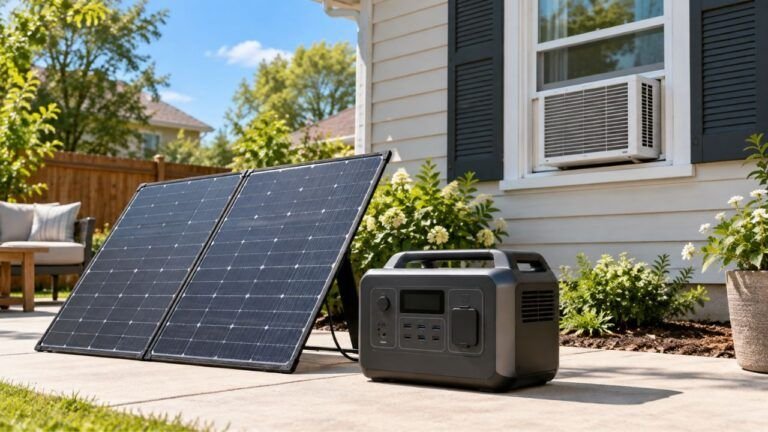
Yes, a solar generator can run an air conditioner. However, its inverter must handle the AC’s running watts, startup surge, and voltage. The battery also needs enough capacity for your desired...
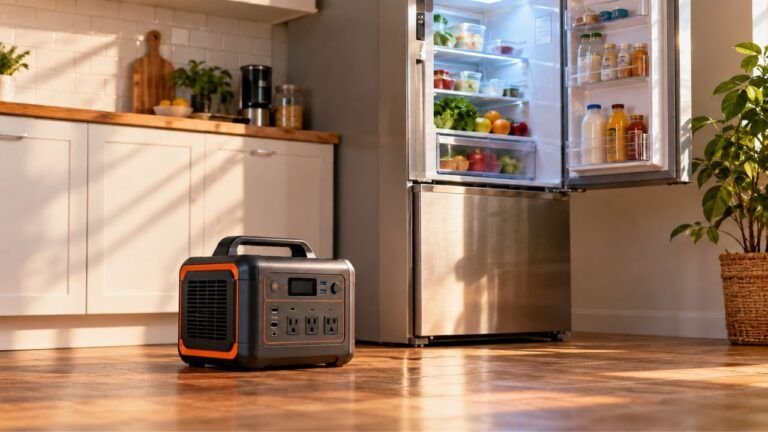
A solar generator can run a household refrigerator for roughly 6 hours to several days. The actual runtime depends on battery capacity, refrigerator energy use, inverter losses, and solar charging. A...
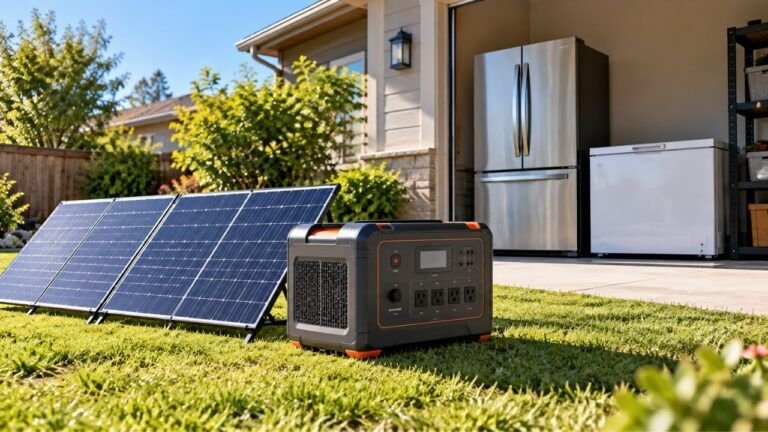
Yes, a properly sized solar generator can run a refrigerator and freezer at the same time. The system needs enough inverter output to handle compressor startup and enough battery capacity to cover...
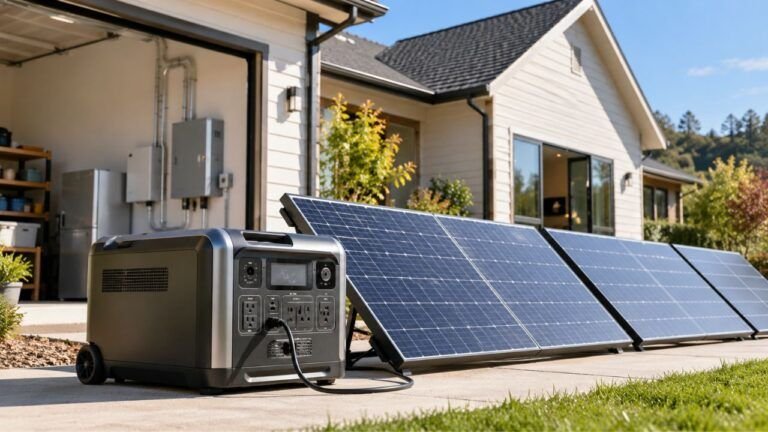
Yes, a 6,000-watt solar generator is enough for most essential household loads during an outage. It can usually handle refrigerators, freezers, lights, electronics, pumps, kitchen appliances, and even...
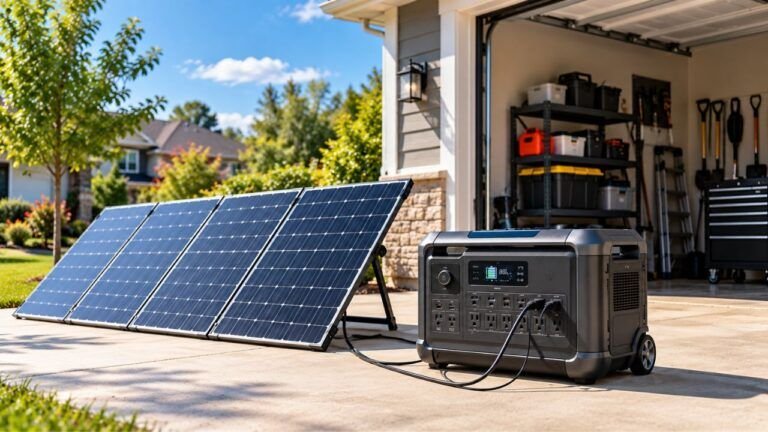
A 5,000-watt solar generator can run most essential household appliances, including refrigerators, freezers, lights, Wi-Fi routers, TVs, computers, microwaves, and many window air conditioners. It can...
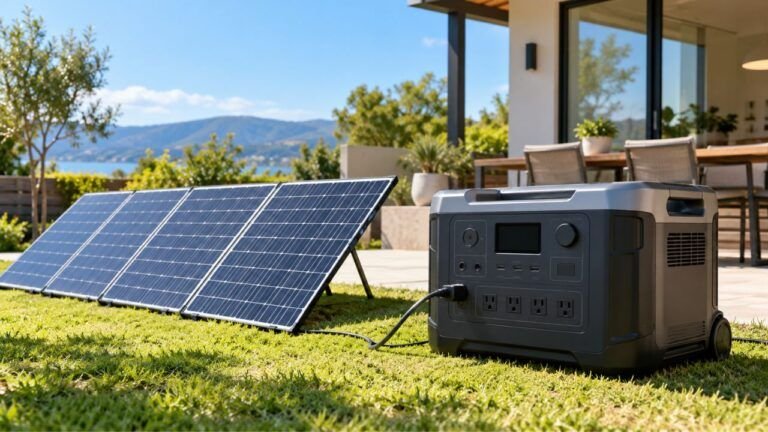
A 3,000-watt solar generator can run most essential household appliances, including a refrigerator, freezer, microwave, coffee maker, TV, Wi-Fi router, lights, computers, and many power tools. It can...
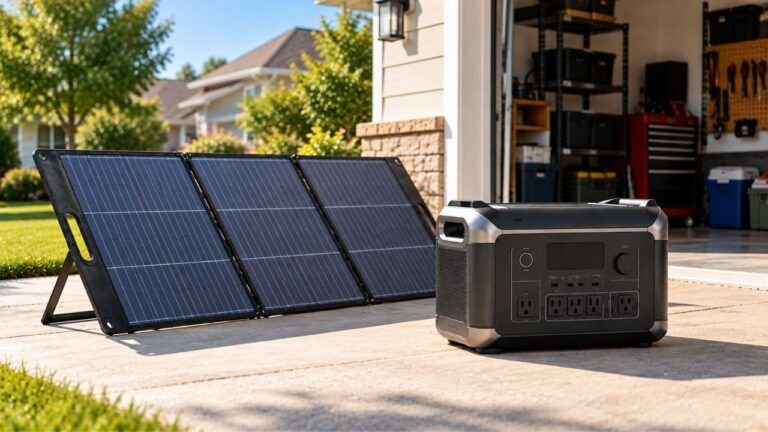
A 2000 watt solar generator can run refrigerators, TVs, Wi-Fi routers, laptops, lights, fans, CPAP machines, microwaves, coffee makers, and many smaller power tools. The main requirement is keeping...

Most homes need around 5–10 kWh of battery capacity for essential backup, 10–20 kWh for broader partial-home backup, and 20–40 kWh or more for whole-home backup. The right size depends mainly on what...
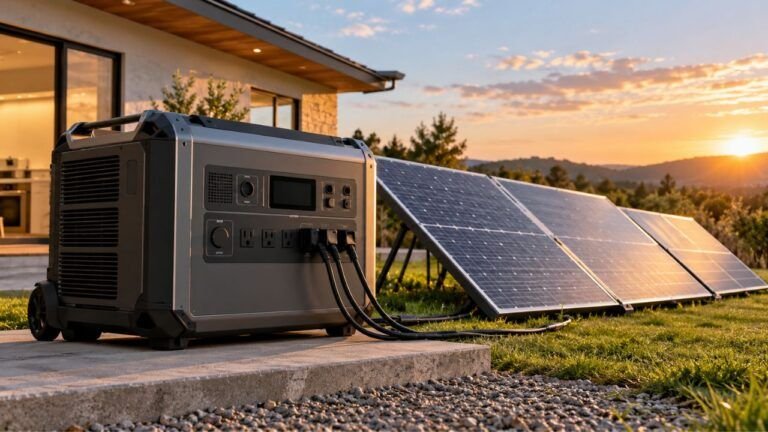
A home solar generator should generally provide around 3,000–5,000 watts for essential backup. A 5,000–7,200W system supports more household appliances, while 7,200–10,000W or higher may be needed for...