
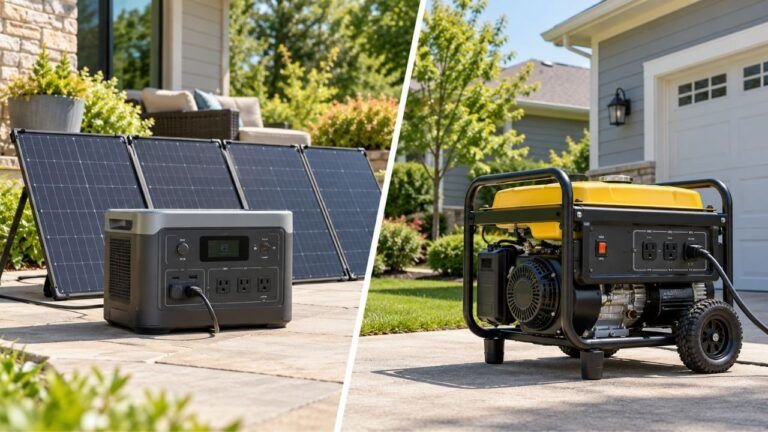
A solar generator is usually better for quiet, low-maintenance home backup. A gas generator can provide longer runtime when fuel remains available. Your best option depends on power needs, outage...
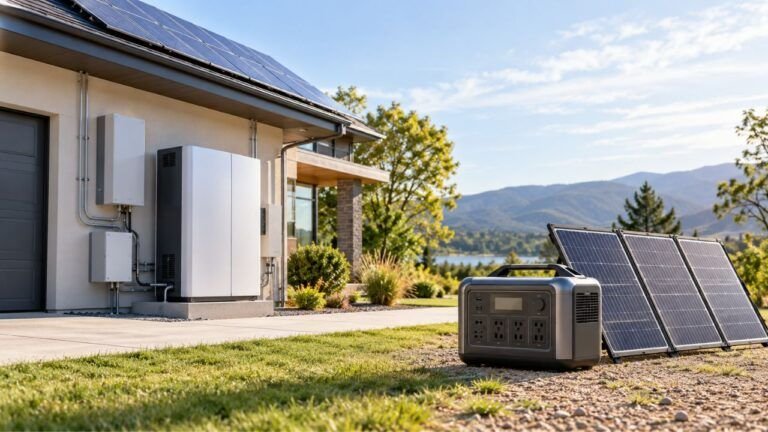
A portable solar generator is best for essential appliances, flexible backup, and lower-cost emergency power. A whole-house solar generator is better for automatic home backup, multiple circuits...
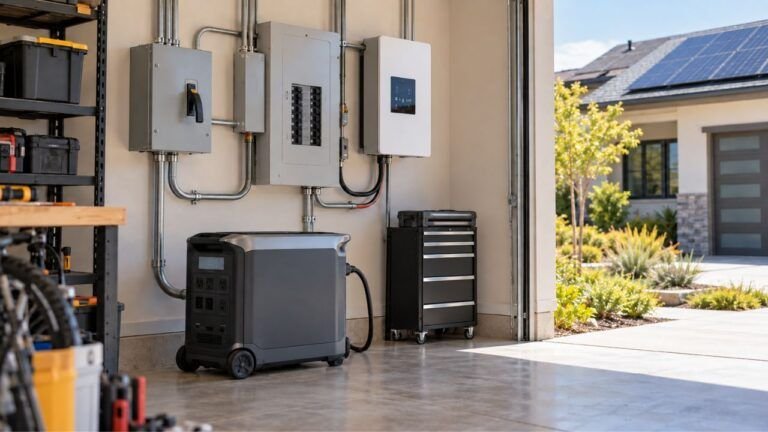
A transfer switch is usually better for simple, lower-cost home backup. A smart home panel offers more automation, monitoring, and load control. Both can safely connect compatible solar generators to...
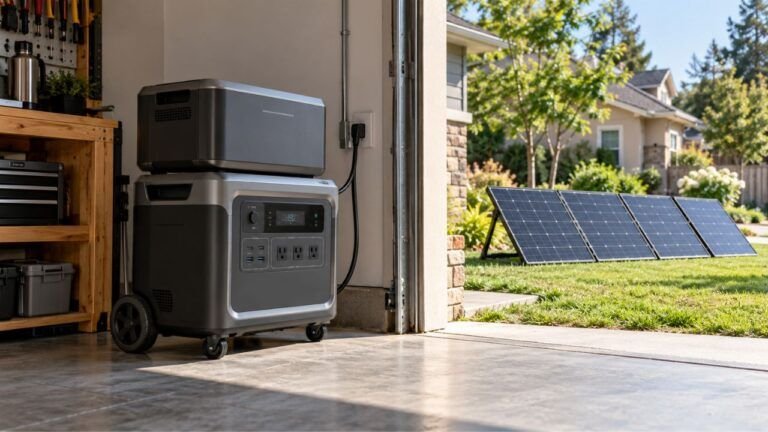
You need a 240V solar generator if your backup plan includes 240V appliances. Central air conditioners, electric water heaters, dryers, and some well pumps commonly need 240V. For refrigerators...
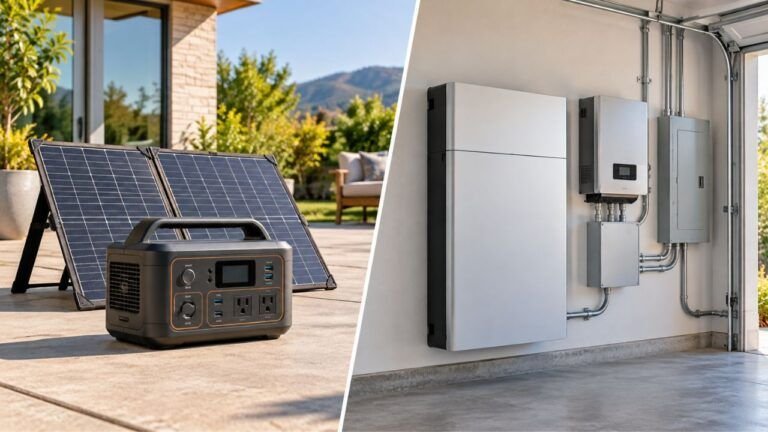
A solar generator is usually better for portable, flexible backup power, while a home battery backup is better for automatic, panel-connected home protection. However, larger expandable solar...
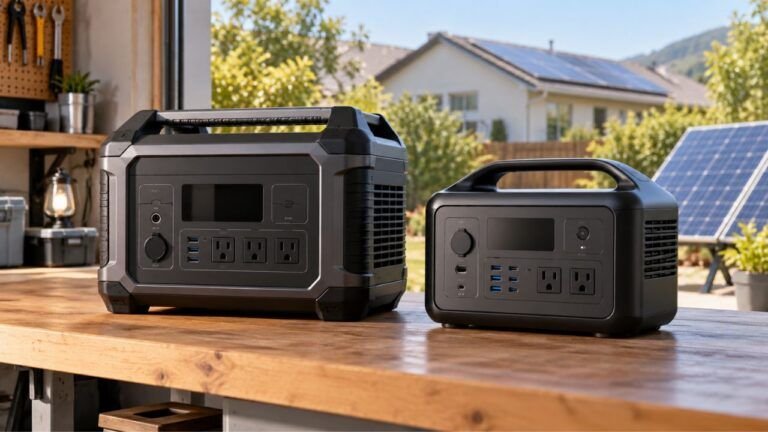
LiFePO4 is usually the better battery choice for solar generators. It offers longer cycle life, stronger thermal stability, and excellent durability. Traditional lithium-ion chemistries like NMC...
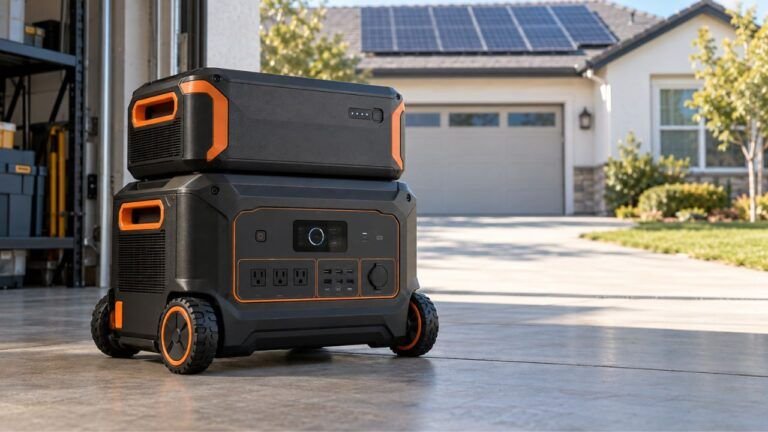
Yes, an expandable solar generator is worth it if you expect your backup power needs to grow. It lets you add battery capacity later for longer runtime without replacing the entire power station...
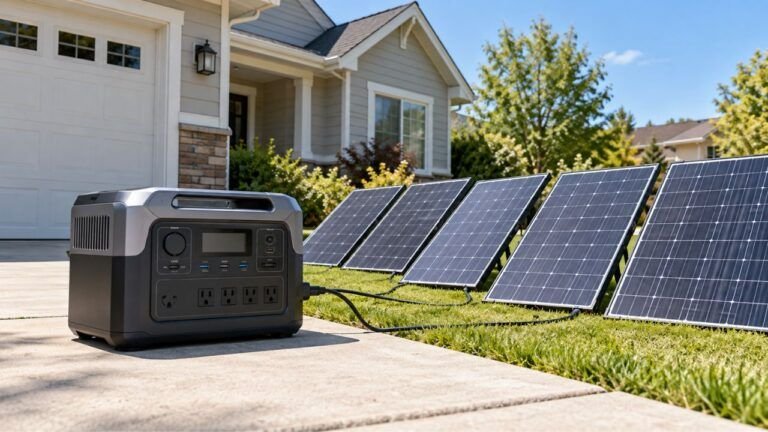
A home solar generator may need anywhere from 1 to 20+ solar panels, depending on battery size, daily energy use, sunlight, and panel wattage. Smaller backup systems may work well with two to four...
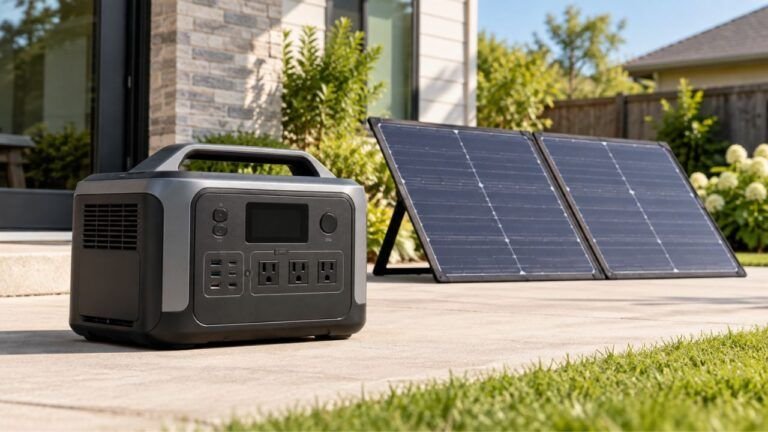
A solar generator can take about 1 to 24+ hours to charge. Many modern units recharge from a wall outlet within 1–3 hours. Solar charging often takes 3–8+ good-sun hours, while standard 12V car...